

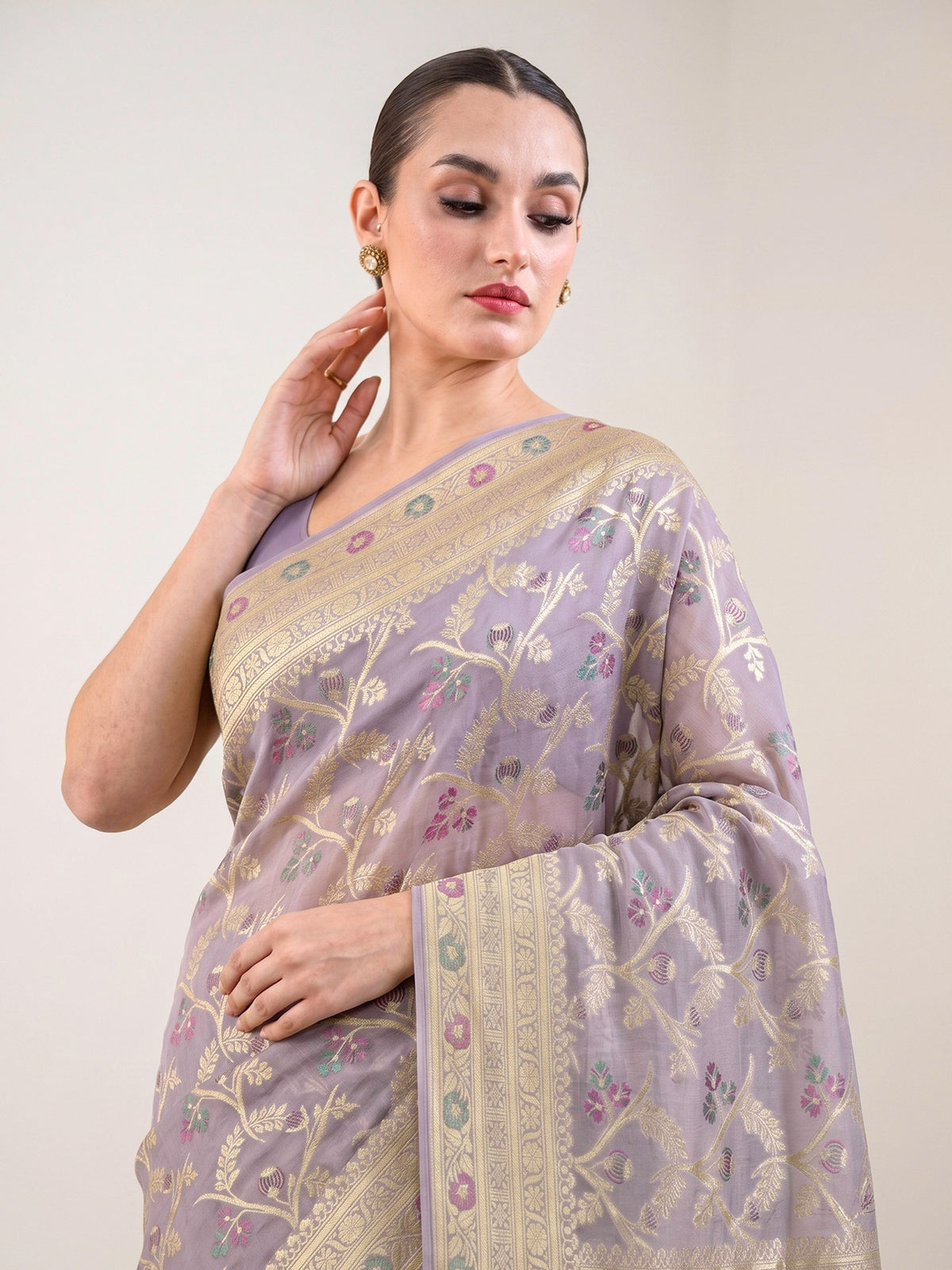
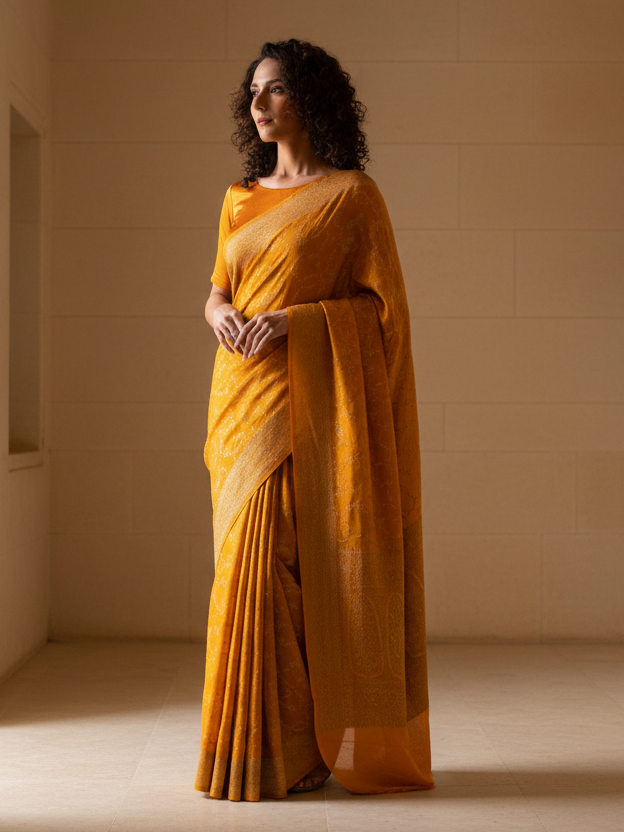
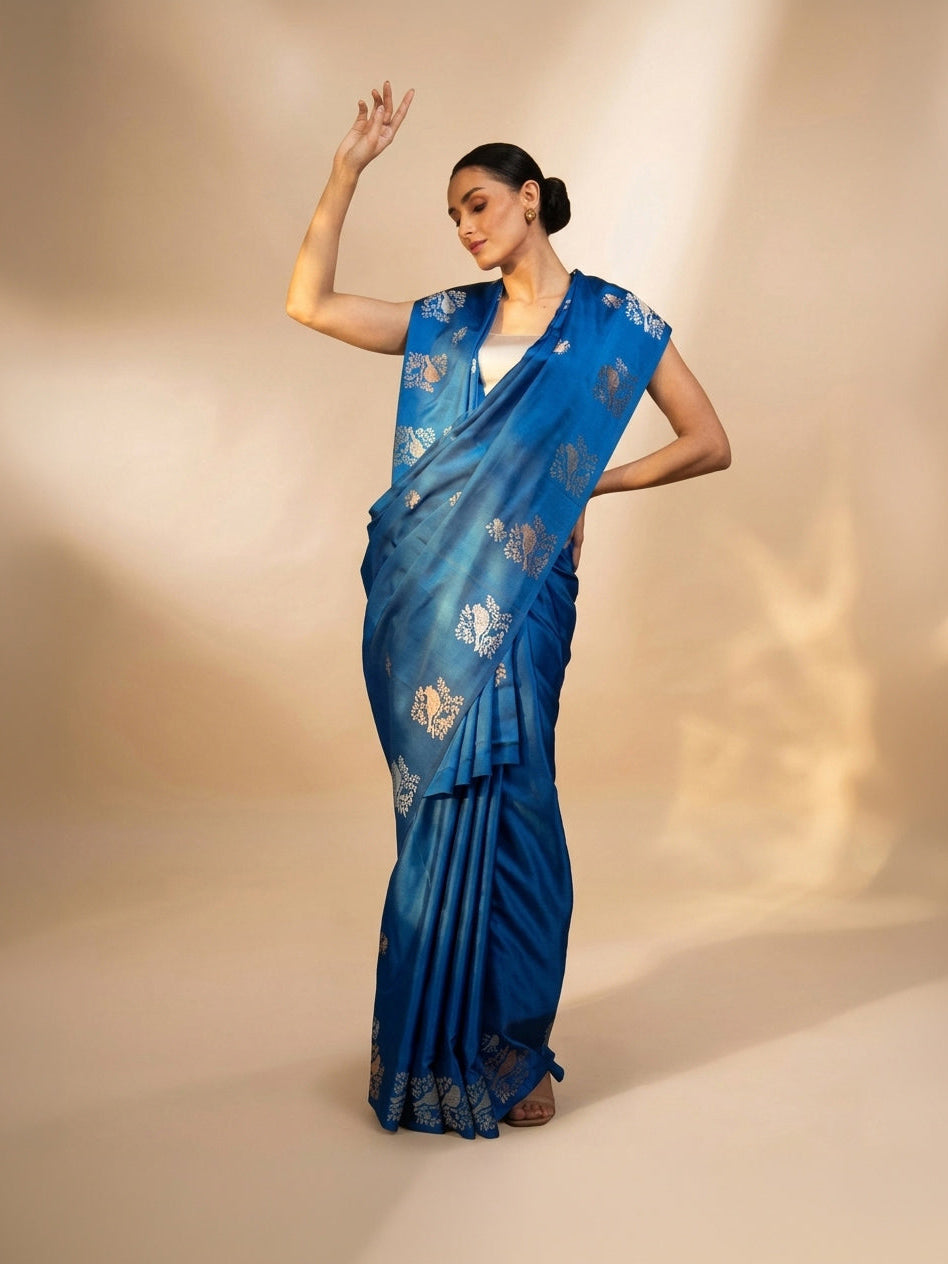
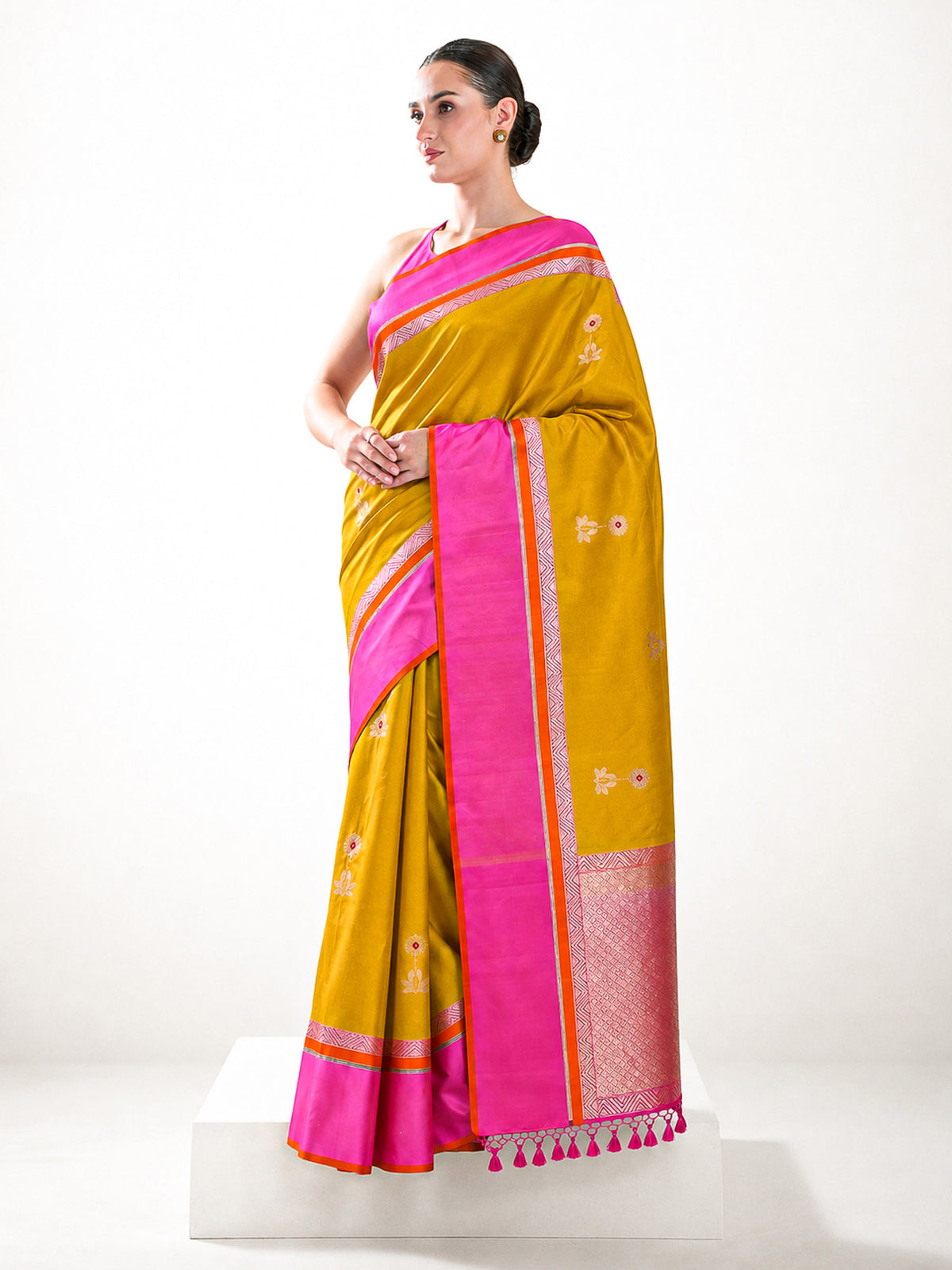

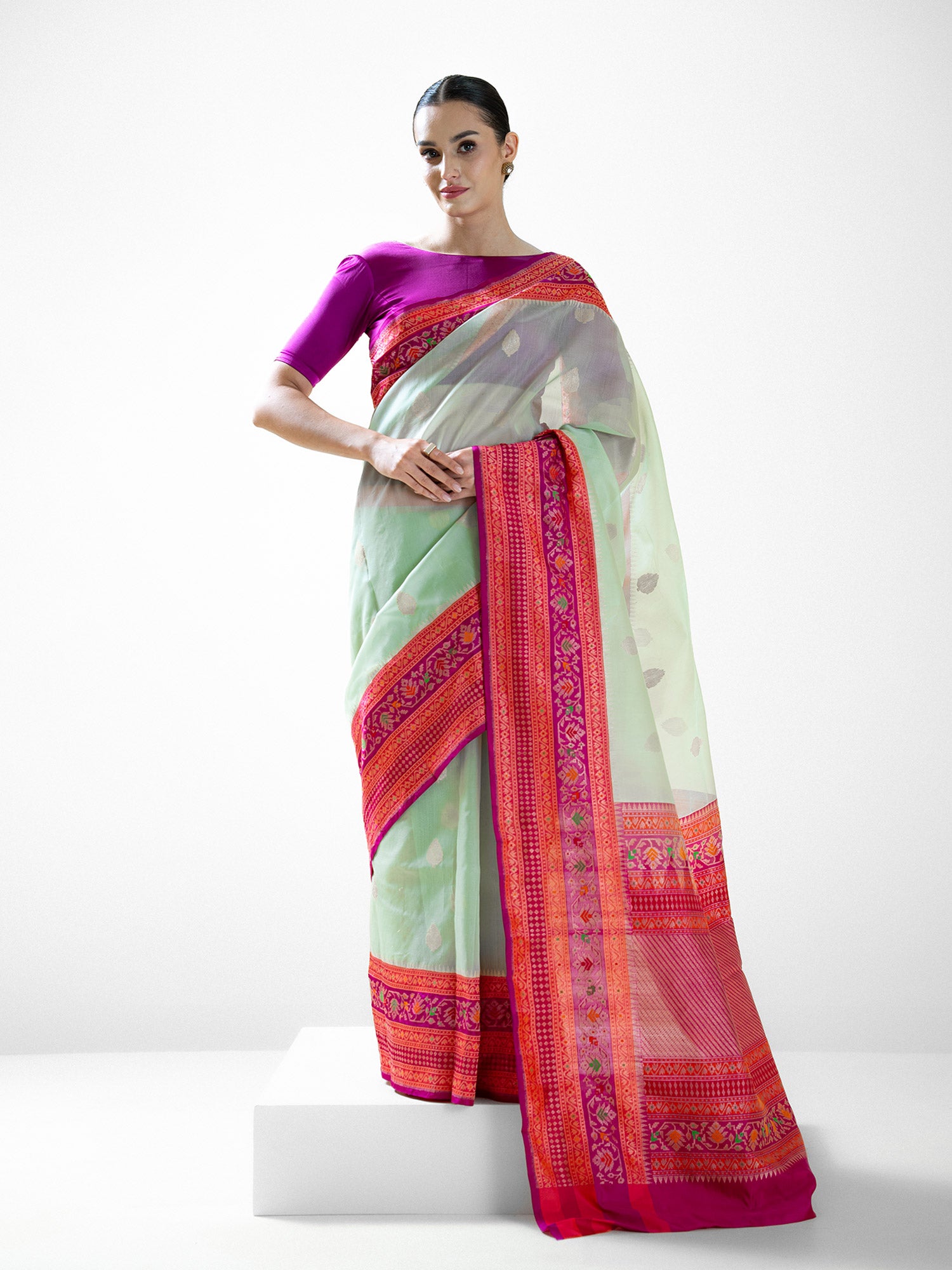
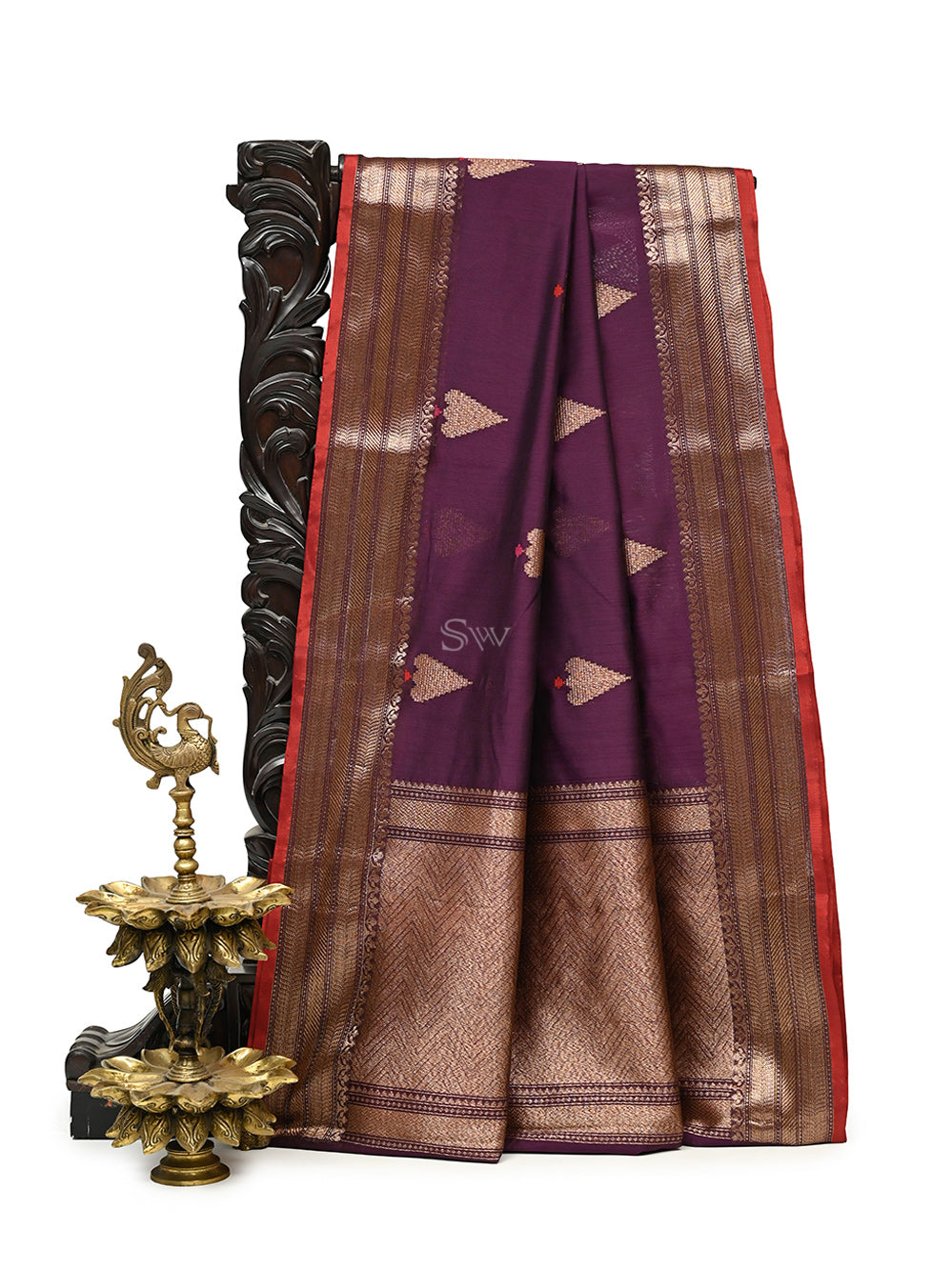


Among the many varieties of Banarasi sarees available today, Katan Silk is one of the most admired choices for women looking for richness, elegance, and traditional craftsmanship. Its smooth texture, natural sheen, structured drape, and ability to support intricate Banarasi motifs have made it especially popular for bridal sarees and heirloom collections.
But one question often creates confusion among buyers:
Is Katan Silk pure silk?
The simple answer is that Katan traditionally refers to a silk fabric made using silk yarns, but the word “Katan” alone should not be treated as proof that a saree is 100% pure silk. The actual fibre composition, quality of yarn, weaving method, and authenticity of the seller still matter.
This distinction is important because many sarees are marketed as Katan, Katan Silk, or Katan Banarasi without giving buyers enough information about the actual silk content.
Whether you are looking for an original Katan silk saree, pure Katan Banarasi, or original Katan Banarasi, understanding what Katan means and how to verify the silk before buying can help you make a much more confident decision.
What Is Katan Silk?
Katan Silk is a traditional silk fabric widely associated with Banarasi weaving. It is known for its rich texture, smooth surface, natural lustre, and elegant fall. We have already written a details article on “what is katan silk” that explains everything in details about katan silk.
 Shop Evergreen Banarasi Katan Silk Sarees
In traditional Banarasi craftsmanship, Katan is particularly valued because its silk base provides an excellent foundation for intricate motifs, zari work, floral patterns, Jangla designs, Meenakari details, and other traditional Banarasi compositions.
Unlike lightweight fabrics such as Organza or Georgette, Katan has a richer and more structured character. This makes it especially suitable for women who prefer the classic appearance of a traditional Banarasi saree.
A pure Katan silk saree, when genuinely woven from 100% natural silk, offers the qualities generally associated with pure silk:
- Natural sheen
- Smooth and rich texture
- Comfortable drape
- Good strength and durability
- Excellent colour absorption
- Long-lasting beauty when properly maintained
However, there is an important point every buyer should remember:
Katan is the name of a traditional silk fabric, but the word itself does not replace proof of fibre purity.
This is why checking the actual silk composition and authenticity is important before making a premium purchase.
Is Katan Silk Pure Silk?
The answer depends on the actual fibre used to make the fabric.
Traditionally, Katan is associated with silk weaving and is commonly made using silk yarns. A saree made from 100% natural silk can correctly be described as a pure Katan silk saree.
However, simply seeing the words “Katan Silk” on a product description does not automatically prove that the saree contains 100% natural silk.
This is particularly important when buying online or from sellers who use terms such as:
- Katan Silk
- Katan Banarasi
- Katan Saree
- Pure Katan
- Katan Silk Banarasi
The buyer should ask a simple question:
“Is the fabric made from 100% natural silk, and can you provide proof of its authenticity?”
For high-value purchases, a Silk Mark label is one of the strongest indicators to look for. According to the Silk Mark Organisation of India, Silk Mark labels are affixed only to products made from 100% pure silk by authorised users. The labels carry identification features that allow consumers to verify them.
Related guide - How to Recognize Pure Katan Silk Banarasi Handloom Saree.
What Makes Pure Katan Silk Different?
Pure Katan silk is appreciated not only because it is made from natural silk but also because of the way it behaves as a fabric.
-
Natural Silk Sheen
Pure silk has a soft and natural lustre. The appearance changes gently as the fabric moves under different lighting.
This is different from the overly uniform shine often seen in synthetic fabrics.
-
Rich Texture
A genuine Katan silk saree generally has a rich and luxurious feel. It should not feel like a very slippery synthetic fabric.
-
Elegant Drape
Katan has a comparatively structured drape, which gives a traditional Banarasi saree its classic appearance.
This is one reason why Katan Banarasi sarees are particularly popular among brides.
-
Excellent Base for Banarasi Weaving
The fabric works beautifully with traditional Banarasi techniques and designs.
Intricate floral motifs, Buta, Bel, Kalga, Jangla, Meenakari and elaborate zari work can all create a rich visual effect on a Katan base.
-
Heirloom Potential
A well-made pure silk saree, when properly maintained, can remain beautiful for many years. Silk Mark Organisation of India also notes that with proper care, a silk sari can last for generations.
History and Origin of Katan Silk Weaving
Katan Silk is closely connected with the long-standing silk weaving tradition of Banaras, present-day Varanasi in Uttar Pradesh.
Banaras has developed a distinctive identity for silk weaving over generations, with artisans creating elaborate brocades, zari patterns, floral motifs, Mughal-inspired designs, and other traditional compositions.
Katan became particularly important within this tradition because its silk structure provides a suitable base for detailed Banarasi weaving.
However, it is important not to confuse the history of Katan fabric with the history of every individual Banarasi technique. Banarasi weaving includes several specialised traditions such as Kadwa, Jangla, Meenakari, Tanchoi, Rangkat and others, each with its own artistic identity.
The geographical connection is also important. Banaras Brocades and Sarees is a registered Geographical Indication, reflecting the recognised connection between these traditional textiles and the region.
Over generations, Katan Silk became especially associated with premium Banarasi sarees because it combines the richness of silk with the intricate craftsmanship for which Banaras is known.
How Is a Katan Banarasi Saree Made?
Creating a Katan Banarasi saree involves several stages, and the exact process can vary according to the design and weaving technique.
 Navy Blue Rangkat Katan Silk Handloom Banarasi Saree
-
Silk Yarn Selection
The quality of the silk yarn plays an important role in the final appearance of the saree.
For a premium pure Katan saree, the quality and preparation of the natural silk yarn directly influence its texture, lustre, strength, and drape.
-
Design Preparation
Before weaving begins, the design is carefully planned.
Depending on the saree, the design may include floral Buta, Bel, Paisley, Kalga, Jangla, Meenakari, zari motifs, or more elaborate compositions.
-
Loom Preparation
The silk yarns are prepared according to the required warp and weft arrangement.
For complex Banarasi designs, this preparation requires considerable technical knowledge and precision.
-
Weaving
The artisan then begins weaving the saree.
The actual process varies depending on whether the saree is produced using traditional handloom techniques, Cutwork, Kadwa, or other methods.
The more intricate the design, the greater the skill and time required.
-
Finishing and Inspection
After weaving, the saree is inspected for consistency, loose threads, design alignment, and finishing quality before it is prepared for sale.
This is why two sarees that appear similar in photographs can differ significantly in craftsmanship and value.
Related guide - Where to Buy Pure Katan Silk Banarasi Saree.
How to Identify an Original Katan Silk Saree?
Identifying an original Katan silk saree requires more than simply looking at its shine.
In fact, Silk Mark Organisation of India itself states that it is difficult to identify silk only through look and feel.
A better approach is to use several checks together.
-
Look for the Silk Mark Label
For buyers specifically looking for pure Katan silk, Silk Mark is one of the most useful authenticity checks.
The Silk Mark Organisation of India states that its label is used on 100% pure silk products by authorised users. The label includes a hologram and unique identification number.
Do not simply look for the words “Silk Mark”.
Check the actual label and verify its identification details through the official Silk Mark system.
SMOI also provides a label authentication facility for consumers.
-
Ask for the Original Bill with HSN Code
Always ask the seller for a proper invoice.
The bill should clearly mention the product details rather than simply saying “silk saree”.
For an expensive purchase, written information about the fabric and product is valuable because it gives you a record of what was sold to you.
If the seller is unwilling to provide a proper bill, consider it a warning sign.
-
Ask Whether It Is 100% Natural Silk
Do not assume.
Ask directly:
“Is this saree made from 100% natural silk?”
A reliable seller should be able to explain the fabric composition clearly.
If the answer is vague or the seller repeatedly uses words such as “silk feel”, “silk finish”, or “silk type” without confirming the fibre, you should ask further questions before buying.
-
Examine the Weave
A genuine handwoven Banarasi saree often shows subtle variations created by manual weaving.
Look closely at the motifs, borders, pallu, and reverse side of the saree.
However, appearance alone cannot conclusively prove that the fibre is pure silk.
This is why weave inspection should be combined with certification and seller verification.
-
Be Careful With the Touch Test
Many buyers believe they can identify pure silk simply by touching it.
This is not always reliable.
Silk Mark Organisation of India specifically says that identifying silk only by look and feel is very difficult.
So while a rich texture and natural feel can be positive signs, they should not be treated as final proof.
Can You Do a Burn Test to Check Pure Katan Silk?
The traditional flame test can help identify silk fibre, but it should be approached carefully.
According to Silk Mark Organisation of India, silk burns slowly and produces a burnt-hair smell, while synthetic fibres such as nylon and polyester melt and form hard residues.
However, do not burn a valuable Katan Banarasi saree yourself, especially without the seller's permission.
For an expensive saree, professional fibre testing is a much safer approach. SMOI also operates silk testing centres where silk materials can be tested for purity.
Original Katan Banarasi vs Katan-Look Saree
The market contains many sarees that can visually resemble traditional Katan Banarasi.
| Feature | Original Pure Katan Banarasi | Katan-Look / Synthetic Alternative |
|---|---|---|
| Fibre | 100% natural silk, when certified as pure | May contain synthetic or blended fibres |
| Feel | Rich and natural | Can feel slippery or synthetic |
| Sheen | Natural silk lustre | Often more uniform or glossy |
| Weaving | May feature traditional handloom craftsmanship | Often machine-made or powerloom |
| Certification | May carry Silk Mark where applicable | Generally does not qualify for Silk Mark as pure silk |
| Longevity | Can last for generations with proper care | Depends on synthetic material and construction |
| Value | Higher when craftsmanship and materials are premium | Generally more affordable |
The important point is that handloom and pure silk are not the same thing.
A saree can be handwoven but not 100% silk.
Similarly, a saree can be made from pure silk but produced using a machine.
Therefore, buyers should evaluate fibre + weaving + craftsmanship + certification separately.
Common Myths About Katan Silk
Myth 1: Every Katan Silk Saree Is 100% Pure Silk
Reality: Katan is traditionally associated with silk, but buyers should still verify the actual fibre composition before paying a premium price.
Myth 2: Shiny Fabric Means Pure Silk
Reality: Synthetic fabrics can also have a strong shine. Natural silk generally has a more subtle and changing lustre.
Myth 3: Touching the Saree Can Confirm Pure Silk
Reality: Feel can provide clues, but it is not a conclusive test. SMOI says it is difficult to identify silk only by look and feel.
Myth 4: Expensive Katan Means Pure Katan
Reality: Price alone cannot prove fibre authenticity. The cost can also be influenced by weaving technique, zari, design complexity, artisan skill, and brand reputation.
Myth 5: Silk Mark Proves the Zari Is Pure
Reality: Silk Mark verifies the silk aspect of the product. SMOI specifically states that Silk Mark does not assure the purity or quality of zari.
Buying Checklist: How to Choose Pure Katan Silk
Before purchasing an original Katan silk saree, always consider:
- Ask whether the saree is made from 100% natural silk.
- Look for an authentic Silk Mark label, where applicable.
- Verify the Silk Mark identification details.
- Ask for a proper original invoice.
- Understand whether the saree is handwoven or machine-made.
- Ask about the weaving technique.
- Examine the silk texture, drape, and natural sheen.
- Check the zari separately rather than assuming it is pure because the silk is genuine.
- Buy from an established Banarasi manufacturer, weaver, or trusted heritage retailer.
- Avoid making a decision based only on a low price or attractive photographs.
Expert Insight
One of the biggest mistakes buyers make is asking only:
“Is this Katan Silk?”
A better question is:
“Is this 100% natural silk Katan, how was it woven, and what proof do you have of its authenticity?”
This single change in the way you ask questions can make a significant difference when buying a premium Banarasi saree.
A genuine pure Katan Banarasi is not defined by its name alone. Its value comes from the combination of authentic silk, weaving craftsmanship, design, zari quality, finishing, and the reputation of the seller.
Why Pure Katan Banarasi Is Popular Among Brides
For generations, Katan Banarasi sarees have remained a preferred choice for traditional weddings.
The rich silk body creates a regal appearance, while the structured drape allows the saree to hold elaborate zari and woven motifs beautifully.
A bride choosing a pure Katan silk saree is often looking for more than a fashionable outfit. She may want something that can become part of the family collection and eventually be passed down to the next generation.
This is where authenticity becomes especially important.
A beautiful saree may look impressive today, but a genuine silk Banarasi with quality craftsmanship has the potential to become a meaningful heirloom.
Final Thoughts
So, is Katan Silk pure silk?
Traditionally, Katan is a silk fabric associated strongly with Banarasi weaving, and a genuine pure Katan silk saree should be made from 100% natural silk. But the word “Katan” printed on a product description should not be treated as final proof of purity.
Before buying an original Katan silk saree, look beyond appearance.
Check the fibre composition, ask about the weaving method, examine the craftsmanship, request a proper invoice, and, wherever applicable, verify the Silk Mark label. Silk Mark Organisation of India confirms that Silk Mark is specifically intended to help consumers identify genuine pure silk products.
For buyers looking for an original Katan Banarasi, the goal should not simply be to find the shiniest or most expensive saree. The goal is to understand exactly what you are buying.
Because a true Katan Banarasi is more than beautiful silk.
It represents the craftsmanship of Banaras, the skill of its artisans, and a textile tradition that has been preserved through generations. When the silk, weaving, design, and authenticity all come together, the saree becomes not just a garment, but a timeless piece of Indian textile heritage.


