


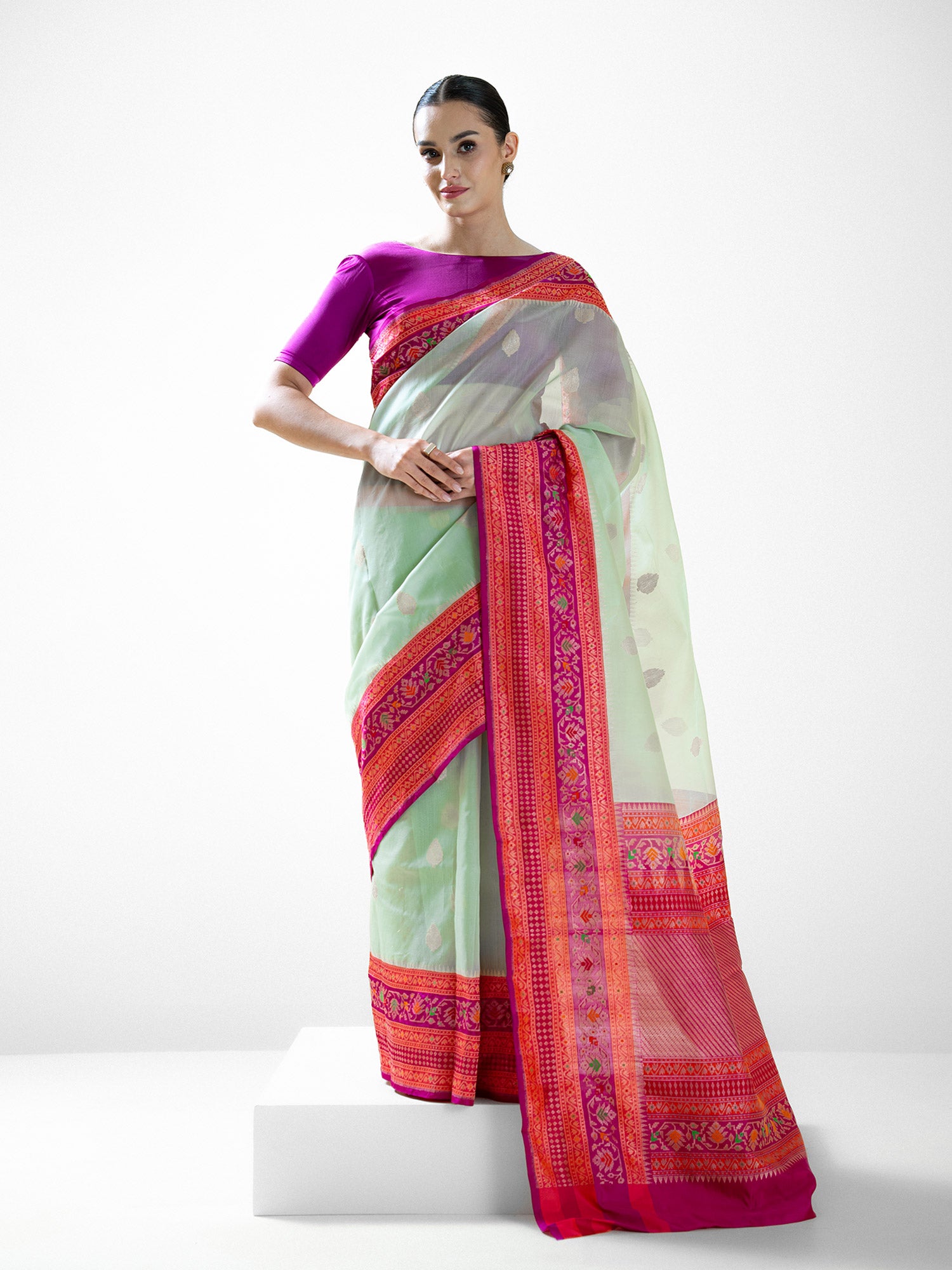
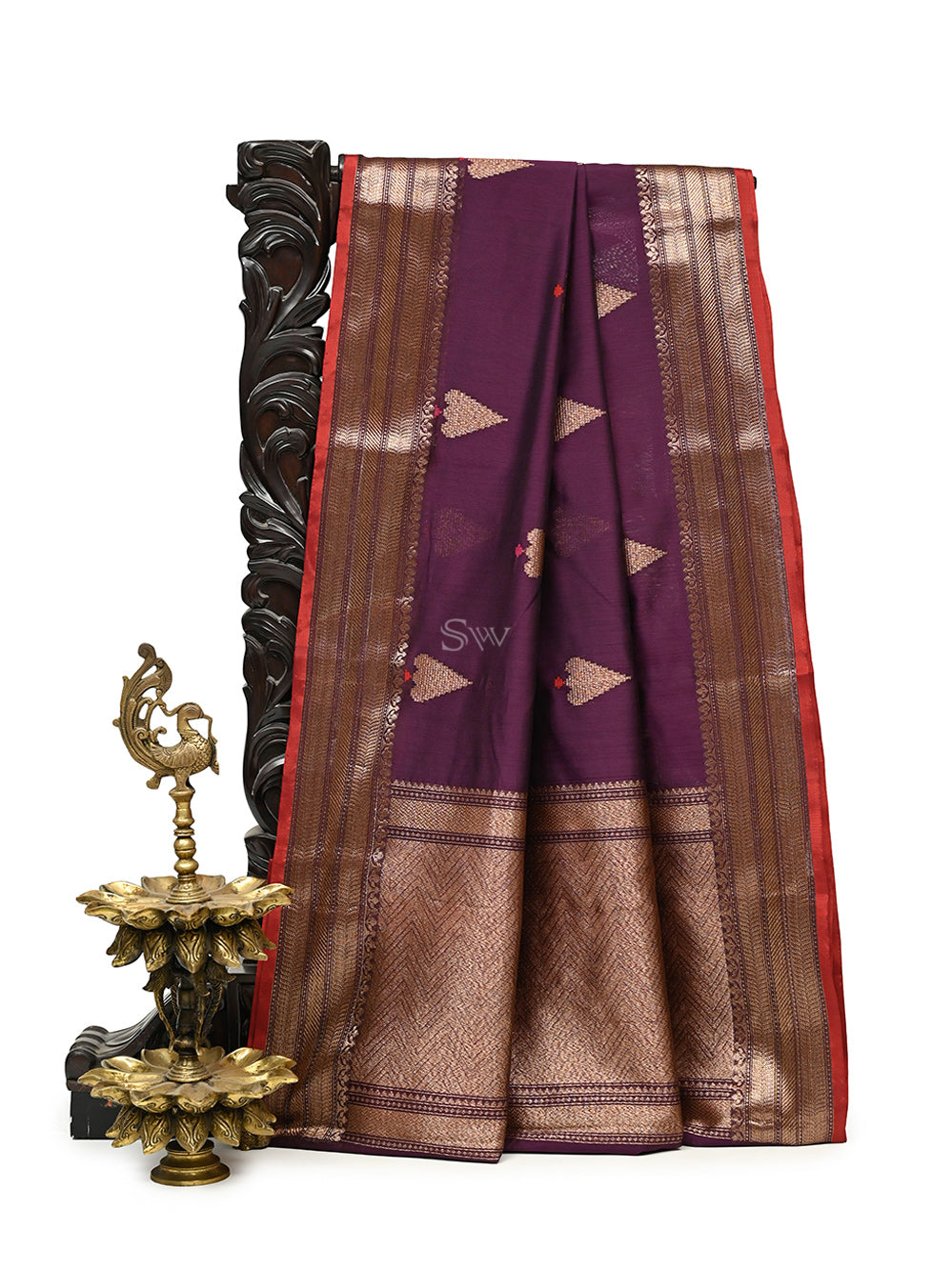


If you are planning to buy a Pure Tissue Silk Saree, one of the first things you may notice is the difference in prices. Some Tissue sarees are available for a few thousand rupees, while authentic handloom Banarasi Tissue sarees with intricate zari and Brocade work can cost significantly more.
But what makes one Tissue Silk saree more expensive than another? Is it the purity of the silk, the zari, or the weaving technique?
The price of a Banarasi Tissue Silk Saree primarily depends on its fabric composition, quality of zari, handloom craftsmanship, and complexity of the woven designs. Understanding these factors helps you compare sarees and make a confident purchase.
What Is the Price of a Pure Tissue Silk Banarasi Saree?
There is no single fixed price for a Pure Tissue Silk Banarasi saree. The cost varies depending on the materials, weaving technique, and design.
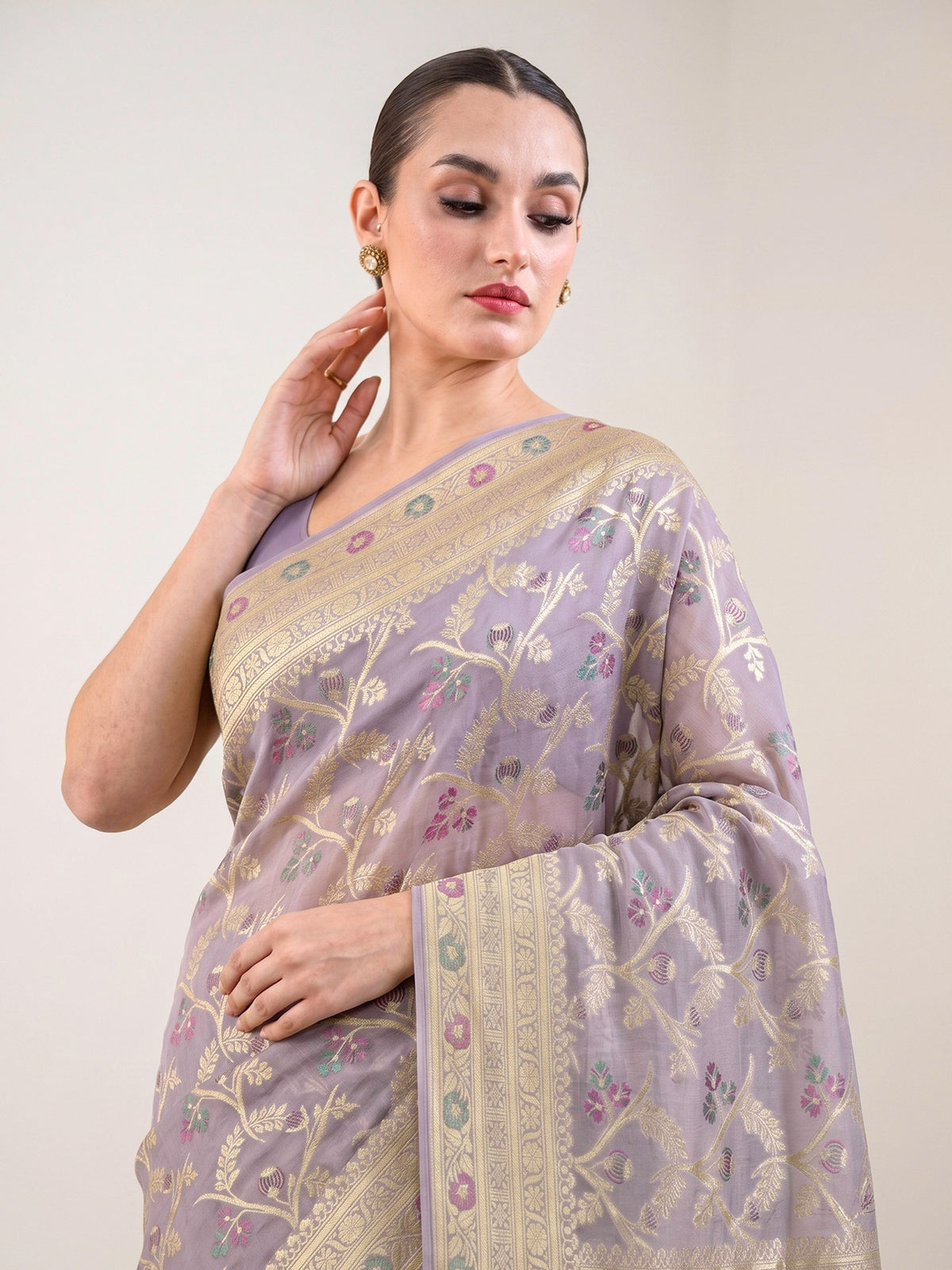
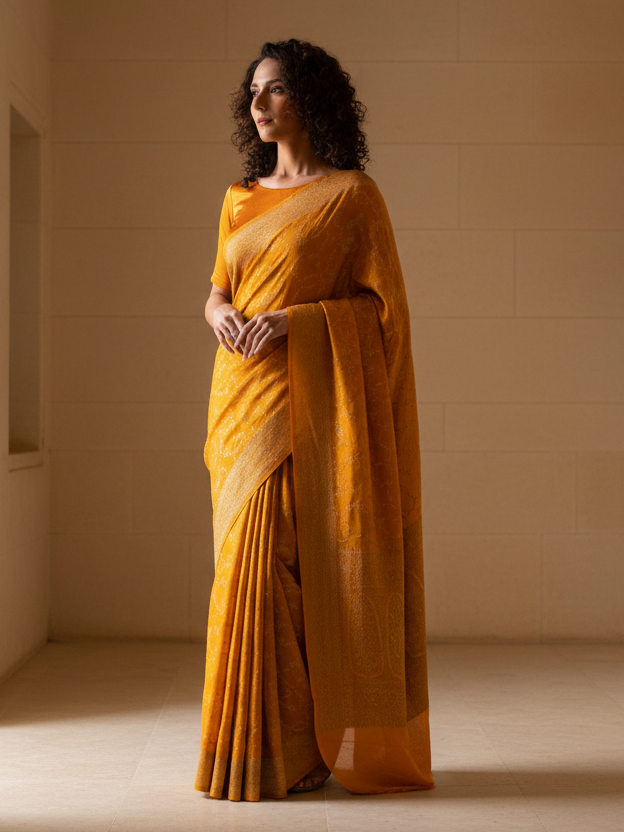
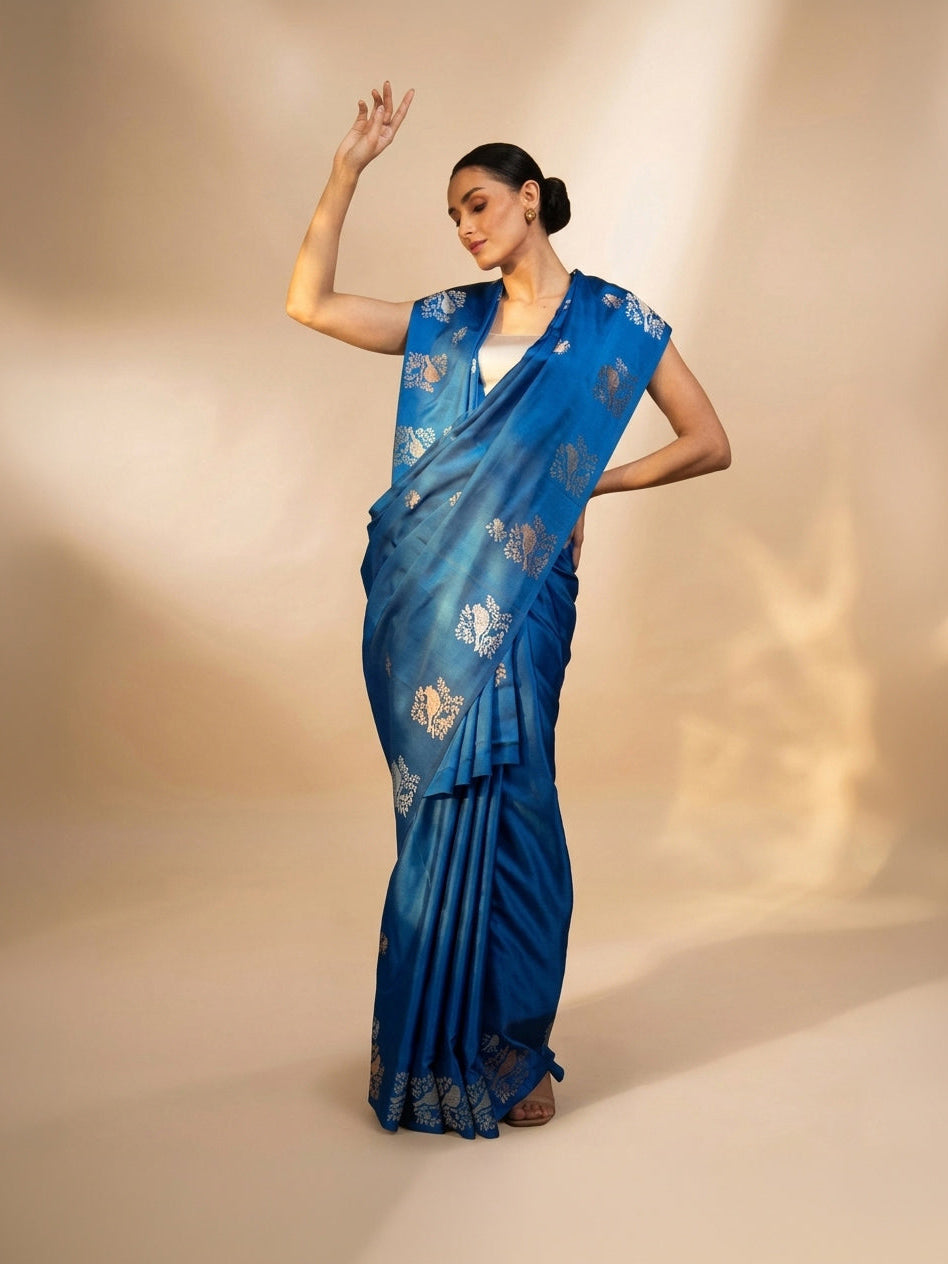
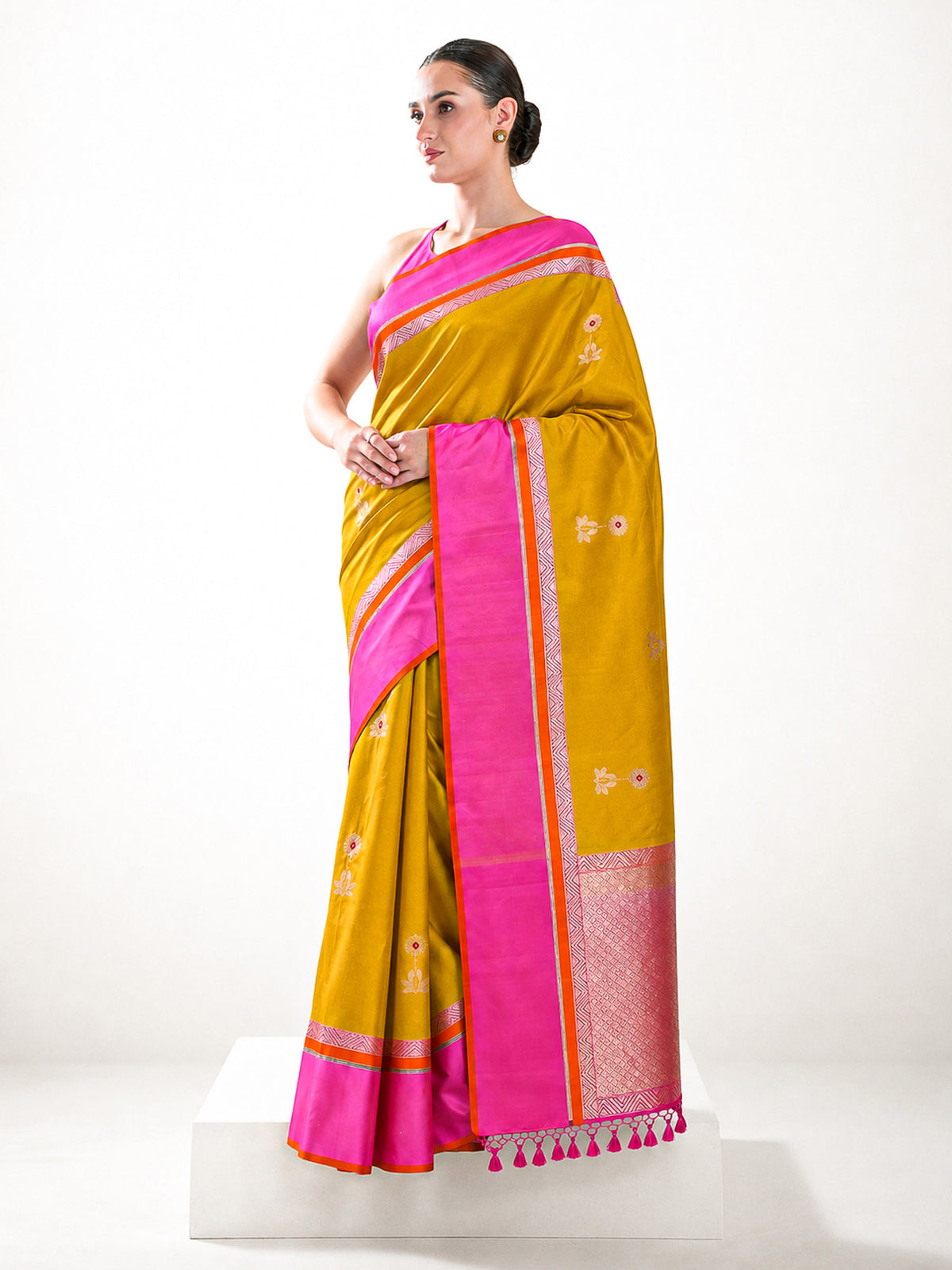
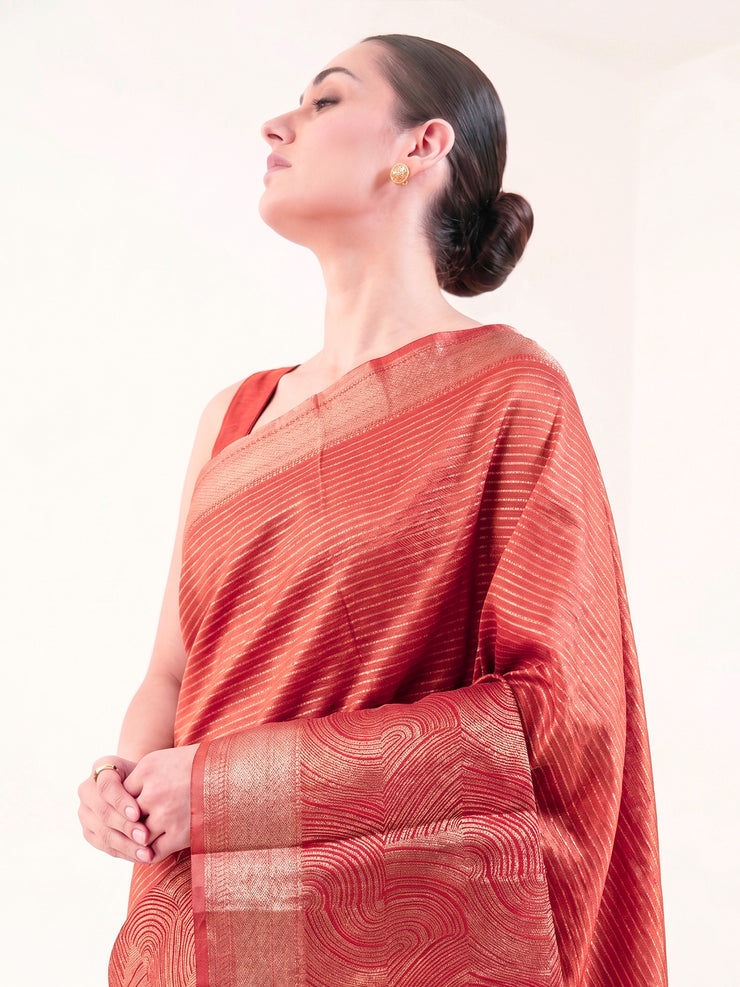
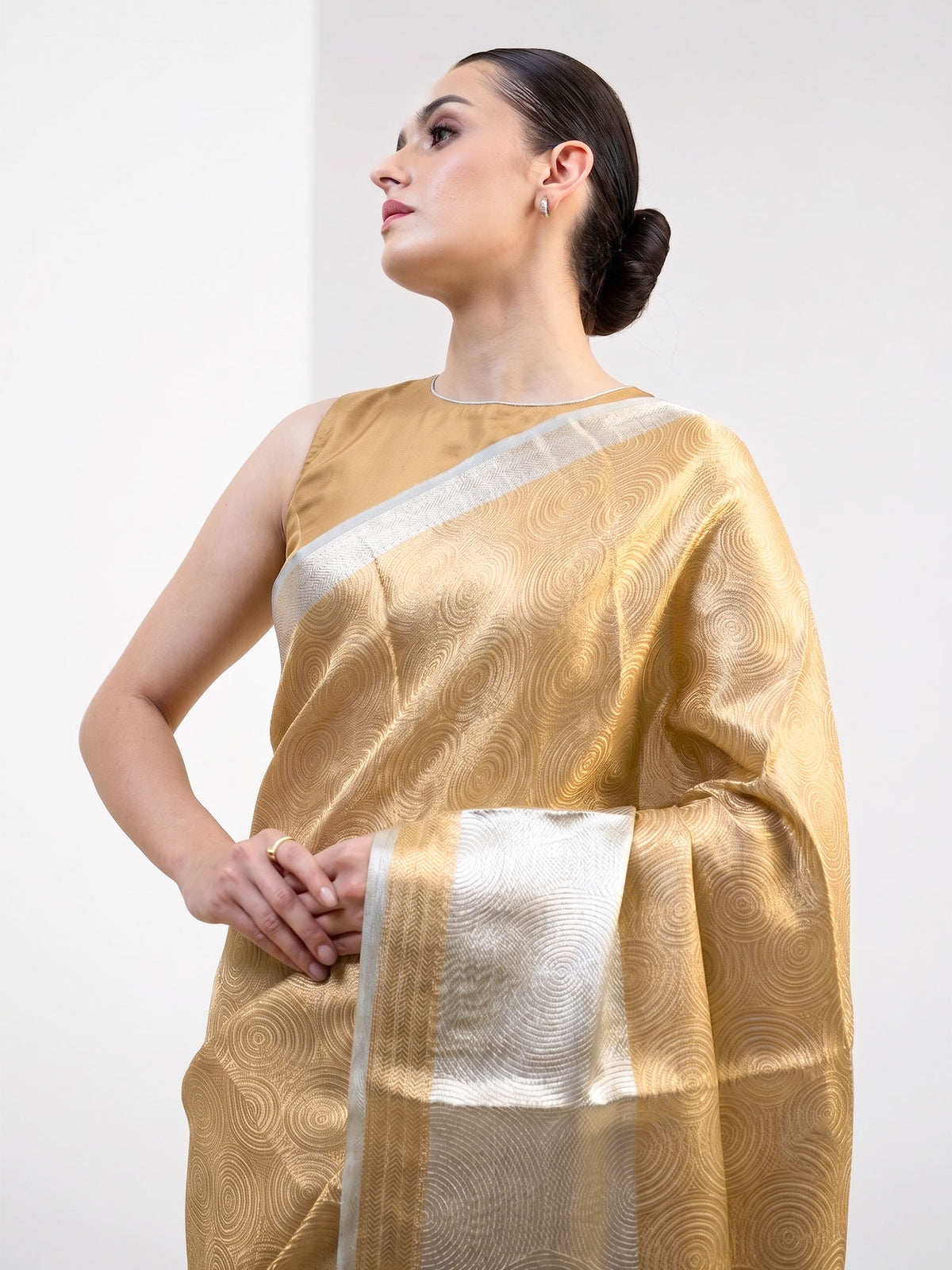
At Sacred Weaves, the Tissue collection features handloom Banarasi Brocade sarees in beautiful shades such as pastel pink, mint green, sky blue, beige, and red.
As of October 2026, the displayed collection includes Tissue Brocade sarees priced approximately between ₹18,864 and ₹25,902, after the listed discounts.
These figures represent the current products displayed in the collection, not a standard market-wide price range. Prices and availability may change.
You can explore the latest designs and compare prices in the Pure Banarasi Tissue Silk Sarees collection at Sacred Weaves.
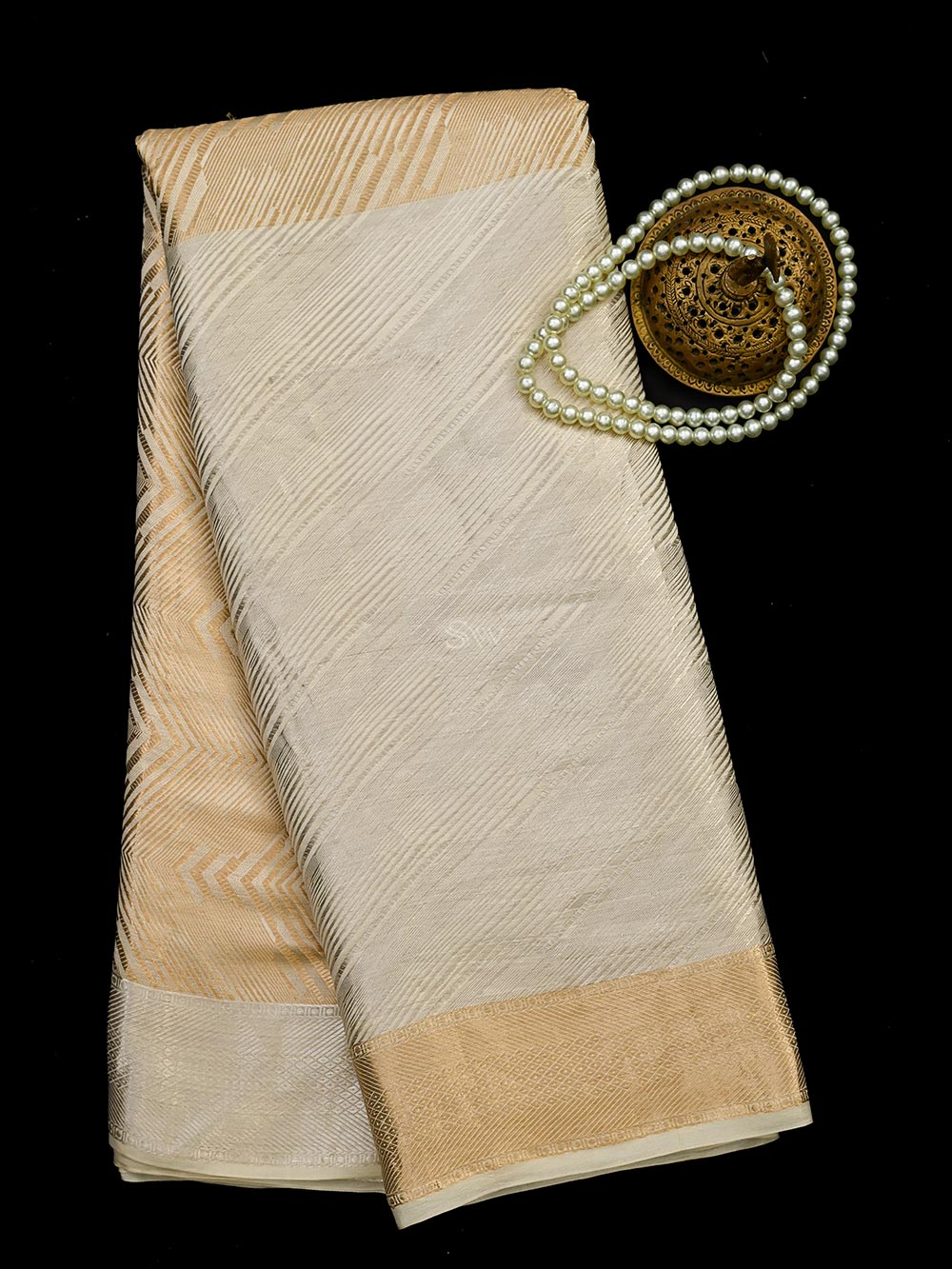
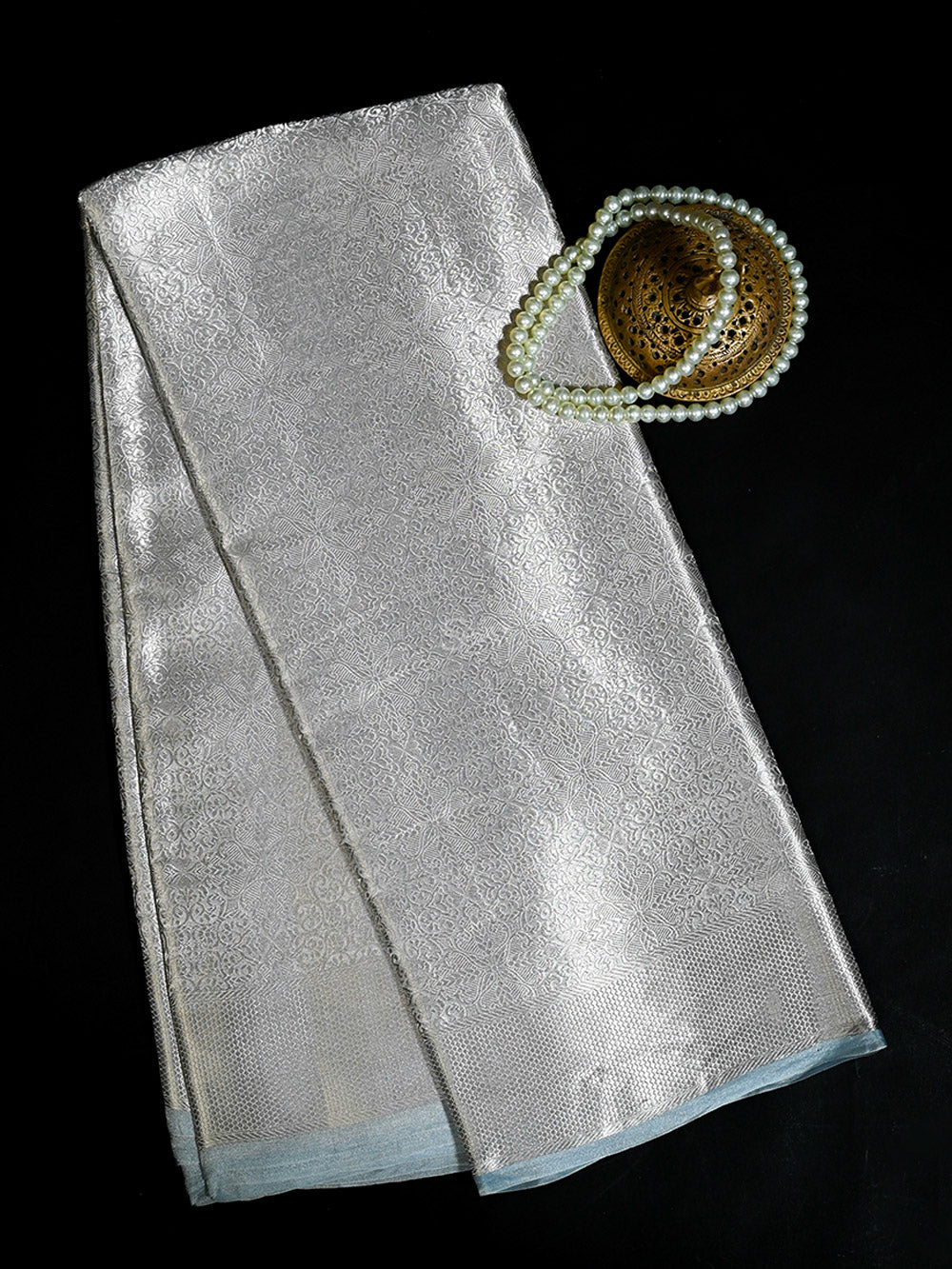
Why Are Pure Tissue Silk Sarees Expensive?
A genuine handloom Banarasi Tissue Silk saree involves more than simply creating a shiny fabric. Its cost reflects the materials, weaving skills, and detailed craftsmanship required to produce the finished saree.
Here are five important factors that influence its price.
1. Purity and Quality of Silk
One of the most important factors is the type of yarn used.
Pure silk is a natural fibre, while some lower-priced Tissue fabrics may contain synthetic yarns, polyester, or other blended materials.
A saree described as Tissue is not automatically made from pure silk. Tissue refers to a type of fabric construction and appearance, which can be produced using different yarn combinations.
Therefore, a pure silk Tissue saree and a synthetic-blend Tissue saree should not be compared solely on appearance.
When buying, check the stated silk composition and available certification. A genuine Silk Mark label provides assurance of natural silk purity, but it does not independently verify the purity of zari.
2. Type and Quality of Zari Work
Zari gives Banarasi Tissue sarees their characteristic metallic appearance.
However, not every metallic thread has the same composition or cost.
Traditional zari can use silver-based materials, sometimes with gold plating, while more economical alternatives use different metallic or synthetic components.
These differences can affect the saree's price considerably.
A Tissue saree featuring genuine precious-metal zari may cost more than one made with imitation zari, even when the designs look similar in photographs.
Important: A bright golden shine does not prove that a saree contains real gold or silver zari. Always check the product specifications or ask the seller to clarify the type of zari used.
3. Handloom Weaving and Craftsmanship
Traditional handloom weaving requires skill, precision, and time.
In Banarasi Tissue sarees, the weaver must manage fine yarns and metallic threads while maintaining the intended fabric structure.
When intricate Brocade patterns are added, the weaving process becomes more demanding.
The time required depends on the complexity of the design, the loom arrangement, and the weaving method.
Handloom production can therefore contribute substantially to the final price.
However, a higher price alone does not establish that a saree is handwoven. Buyers should look for reliable product information and supporting documentation.
4. Complexity of Brocade Designs
A relatively simple Tissue saree and an elaborate Tissue Brocade saree can differ significantly in price.
Brocade designs may incorporate traditional Banarasi motifs such as floral Bootis, decorative vines, elaborate borders, and intricate Jaal patterns.
Some designs involve additional patterned yarns and complex weaving arrangements, requiring greater attention and production time.
For example, a saree with closely arranged motifs across the entire body may involve more weaving work than one with a comparatively simple design.
That does not mean an elaborate saree is always superior. A beautifully woven, minimal design may be more suitable for buyers who appreciate understated elegance.
5. Overall Fabric Construction and Finishing
Two sarees made from similar silk yarns can have different prices because of variations in their construction.
Factors such as yarn quality, weaving density, metallic-thread content, border detailing, and finishing can influence their appearance and feel.
These differences also affect how the saree drapes.
Some Tissue sarees have a soft, delicate fall, while others are comparatively structured.
When comparing prices, consider the complete construction rather than judging only the colour or surface shine.
Pure Tissue Silk vs Artificial Tissue Sarees: Why Is There a Price Difference?
One of the most common buying mistakes is assuming that every saree described as Tissue Silk contains the same materials.
In reality, the term Tissue is used for fabrics produced with different fibre combinations.
| Feature | Pure Silk Tissue Saree | Artificial or Blended Tissue Saree |
|---|---|---|
| Fibre composition | Natural silk with metallic or decorative yarns | May contain polyester, synthetic yarns, or blends |
| Appearance | Characteristic metallic sheen | Can produce a similar shiny appearance |
| Texture | Depends on silk, zari, and weave | Depends on synthetic or blended construction |
| Price | Often higher because of materials and craftsmanship | Often available at lower prices |
| Authenticity | Natural silk content can be independently verified | Not equivalent to pure silk |
Synthetic Tissue sarees can look attractive and may suit a lower budget. However, they should not be represented as pure silk.
If your priority is an authentic Banarasi handloom saree, verify the silk composition, weaving details, and product specifications before purchasing.
How to Compare Banarasi Tissue Silk Sarees at Different Prices
Suppose you find two Tissue Brocade sarees, one priced at ₹19,000 and another at ₹25,000.
Both may have similar colours and metallic finishes. The difference in price could result from variations in woven motifs, yarns, borders, or other production details.
Before deciding, compare the following:
Fabric: Are both sarees made from natural silk, and are their compositions clearly stated?
Zari: Do they use similar metallic threads, or is there a difference in the type of zari?
Design: Is one saree woven with more detailed Brocade patterns or elaborate borders?
Drape: Does the fabric have the structure, softness, or transparency you prefer?
Authenticity: Is the seller able to provide relevant information about the silk and weaving?
The more expensive saree is not necessarily the better purchase. Choose the one whose quality, design, and finish justify its price for your requirements.
Which Banarasi Tissue Silk Saree Offers the Best Value?
The best-value saree is not always the cheapest. It is the one that meets your expectations for fabric quality, craftsmanship, and intended use.
For Buyers Who Prefer Simple Elegance
Choose a Tissue saree with comparatively subtle motifs and a refined metallic finish.
Such designs can be suitable for festive occasions, family celebrations, and traditional gatherings without requiring an elaborate look.
For Wedding and Reception Buyers
A handloom Tissue Brocade saree with detailed woven motifs can be worth considering.
The combination of silk, zari, and decorative weaving creates a rich appearance suited to formal celebrations.
Choose a colour and design that you can also wear for other special occasions.
For Buyers Investing in Traditional Handloom Sarees
Focus on the stated materials, authenticity, weaving quality, and overall craftsmanship rather than purchasing solely because a saree is expensive.
A thoughtfully selected handloom saree may offer lasting wardrobe value when properly cared for.
How to Check Whether a Pure Tissue Silk Saree Is Worth Its Price
Shopping online makes it convenient to compare prices, but photographs do not always reveal the complete fabric quality.
Before buying a premium Tissue Silk saree, take a few practical steps.
Verify the Fabric Details
Review the product description carefully. Look for information about silk composition, weave, zari work, and available certification.
Do not treat words such as premium, original, or luxury as independent proof of purity.
Examine Close-Up Photographs
Look at the body motifs, border, pallu, and overall finishing.
Close-up images can help you compare designs, although they cannot independently establish silk purity or genuine zari content.
Request a Live Video Demonstration
A live video call is particularly useful when selecting an expensive Banarasi saree.
You can ask the seller to show the fabric under different lighting conditions, demonstrate the drape, and provide a closer view of the woven patterns.
Sacred Weaves offers live video shopping, allowing customers to examine the saree before purchasing.
Review the Final Purchase Cost
Check the final listed price, applicable discounts, shipping charges, delivery timeline, and return policy.
For wedding purchases, also confirm whether the saree includes an unstitched blouse piece and whether any additional tailoring arrangements are needed.
These details help you avoid unexpected expenses.
Is a Pure Banarasi Tissue Silk Saree Worth Buying?
A Pure Banarasi Tissue Silk saree can be an excellent purchase for someone who appreciates distinctive woven fabrics, traditional craftsmanship, and elegant occasion wear.
Its metallic sheen gives it a characteristic appearance that differs from conventional silk sarees, while Banarasi Brocade weaving adds intricate decorative patterns.
However, its value depends on the authenticity of the materials, the quality of weaving, and your personal preferences.
If you prefer relatively understated sarees, a simpler Tissue design may suit you better than a heavily patterned one.
If you are purchasing for a wedding or reception, a richer Tissue Brocade design may offer the ceremonial appearance you want.
Ultimately, choose a saree based on verified quality and how confidently you will wear it, rather than price alone.
Explore Pure Banarasi Tissue Silk Sarees at Sacred Weaves
At Sacred Weaves, you can explore a curated selection of handloom Banarasi Tissue Brocade sarees in elegant colours and traditional designs.
From delicate pastel shades to vibrant festive colours, the collection allows you to compare patterns, finishes, and current prices before making your selection.
Shop Pure Banarasi Tissue Silk Sarees Online at Sacred Weaves and discover a saree that matches your style, occasion, and budget.


