





This National Handloom Day, We Honour the Hands Behind Every Weave
Every year on the 7th of August, India pauses to remember something the world is quick to forget: that behind every handloom textile is a human hand, not a machine.
This National Handloom Day, we honour the hands, the heritage, and the hunar behind every Sacred Weaves creation.
A Craft Passed Down, Not Manufactured
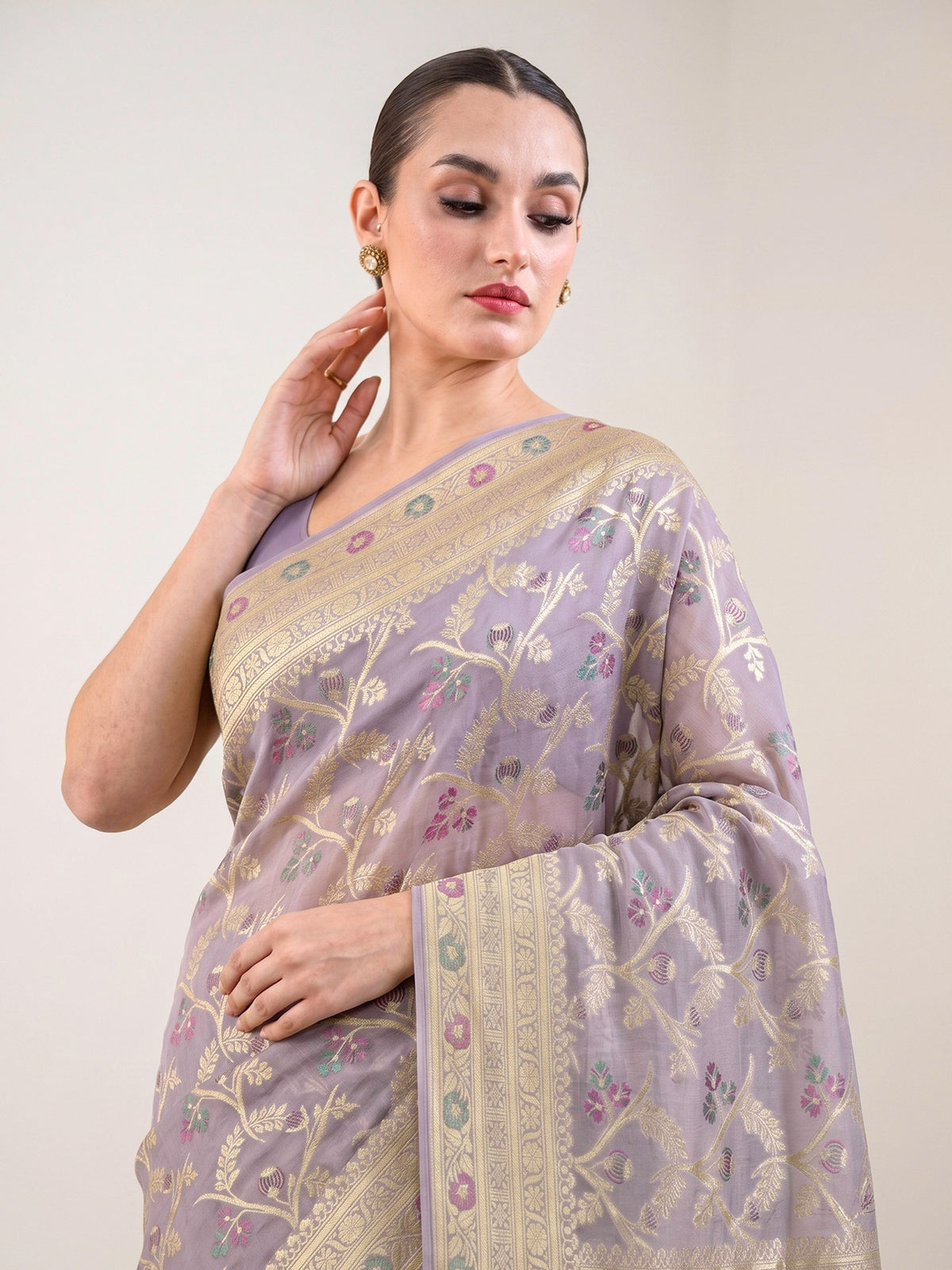
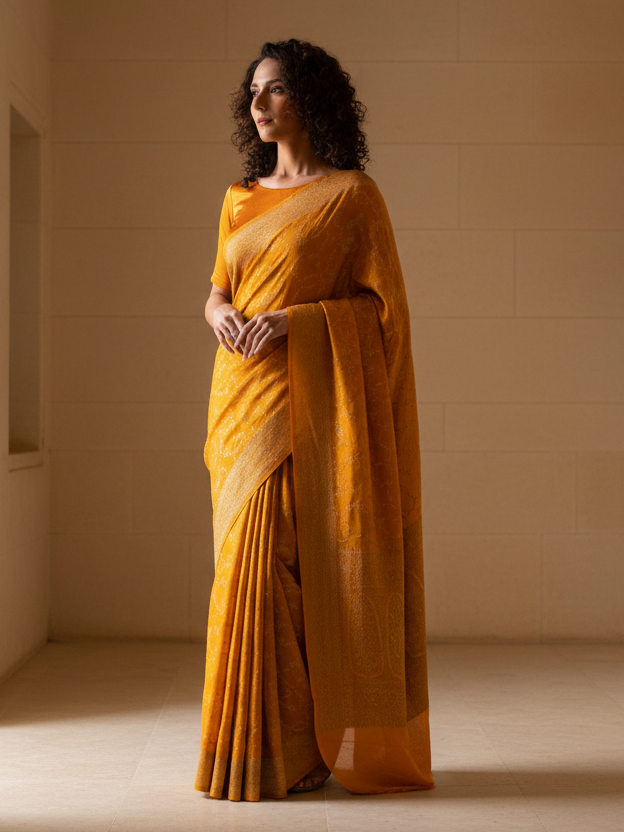
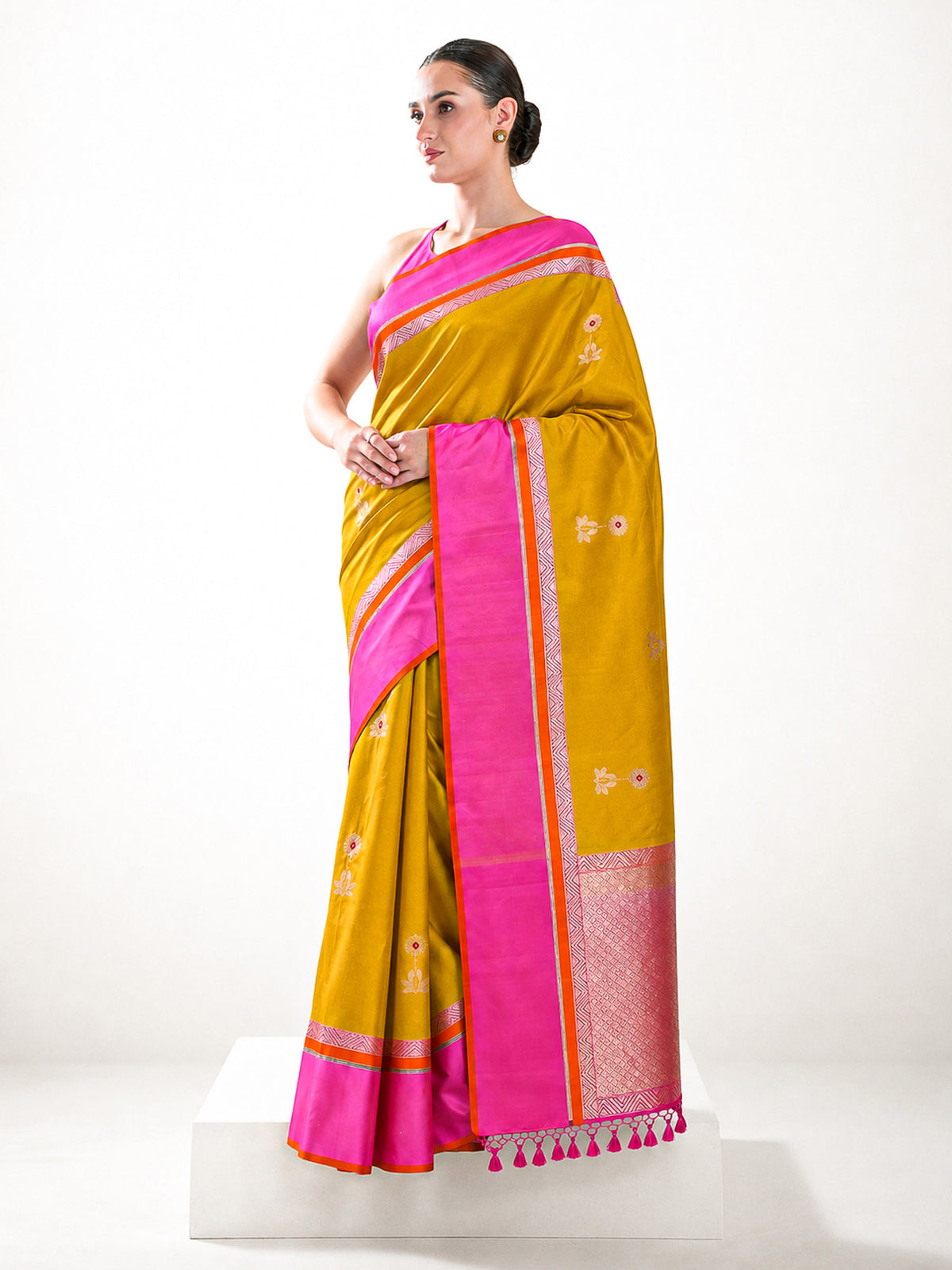
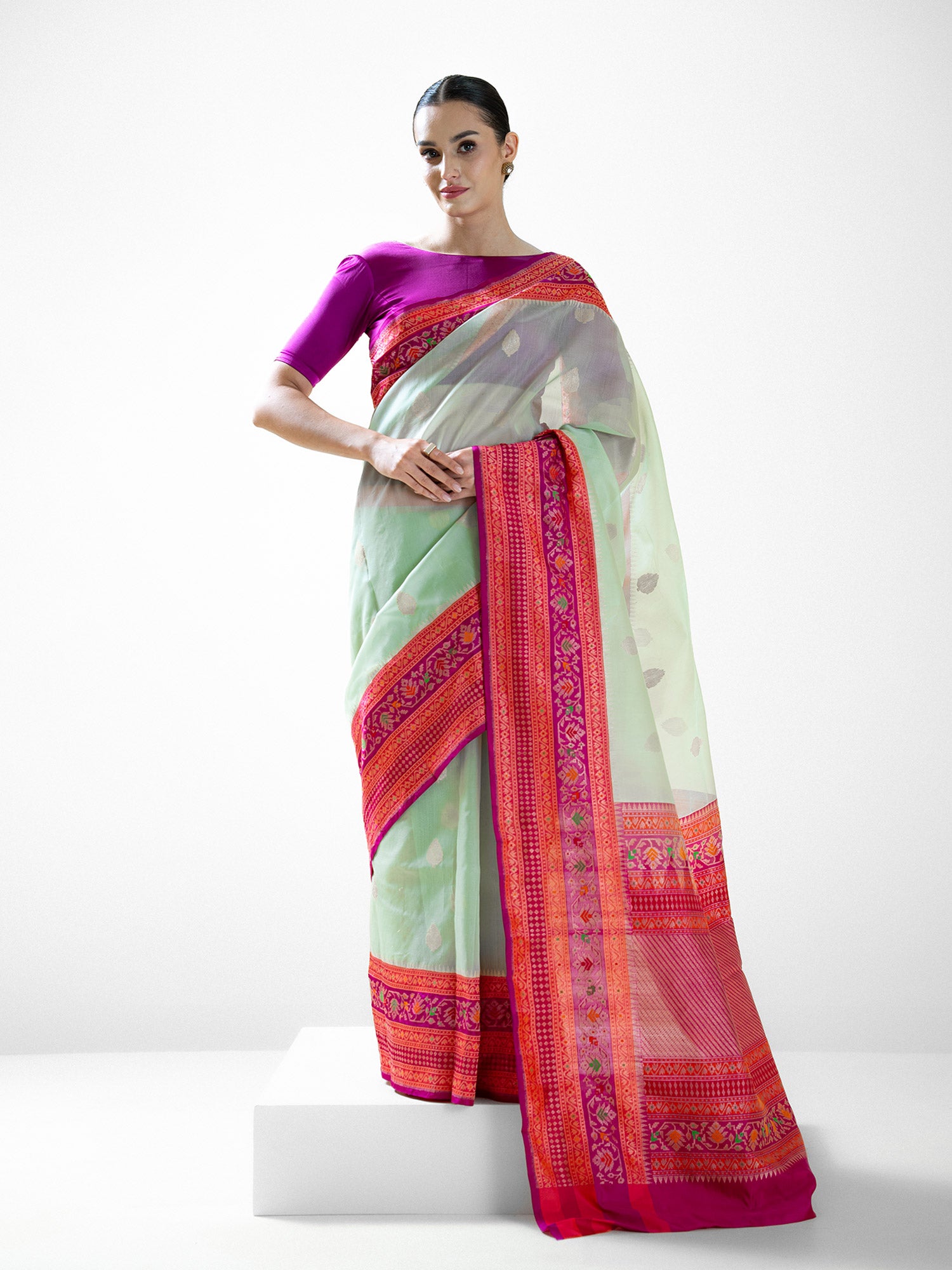
In the narrow bylanes of Varanasi, master weavers sit at wooden looms their grandfathers once sat at. A single Banarasi saree can take anywhere from 15 days to several months to complete, thread by thread, motif by motif. There is no shortcut for this. No machine replicates the exact tension of a hand pulling silk through a loom, or the instinct that tells a weaver when a zari pattern needs one more pass.
This is hunar — skill honed over decades, often over generations.
Why This Day Matters
National Handloom Day was instituted to spotlight the handloom sector's contribution to India's socio-economic fabric and to honour the weavers who keep this 5,000-year-old tradition alive. For an industry facing constant pressure from power looms and mass production, this day is a reminder that authenticity has a cost, and that cost is worth paying.
Every Sacred Weaves saree is Silk Mark certified, a guarantee that what you're wearing is pure silk, handwoven by artisans in Varanasi.
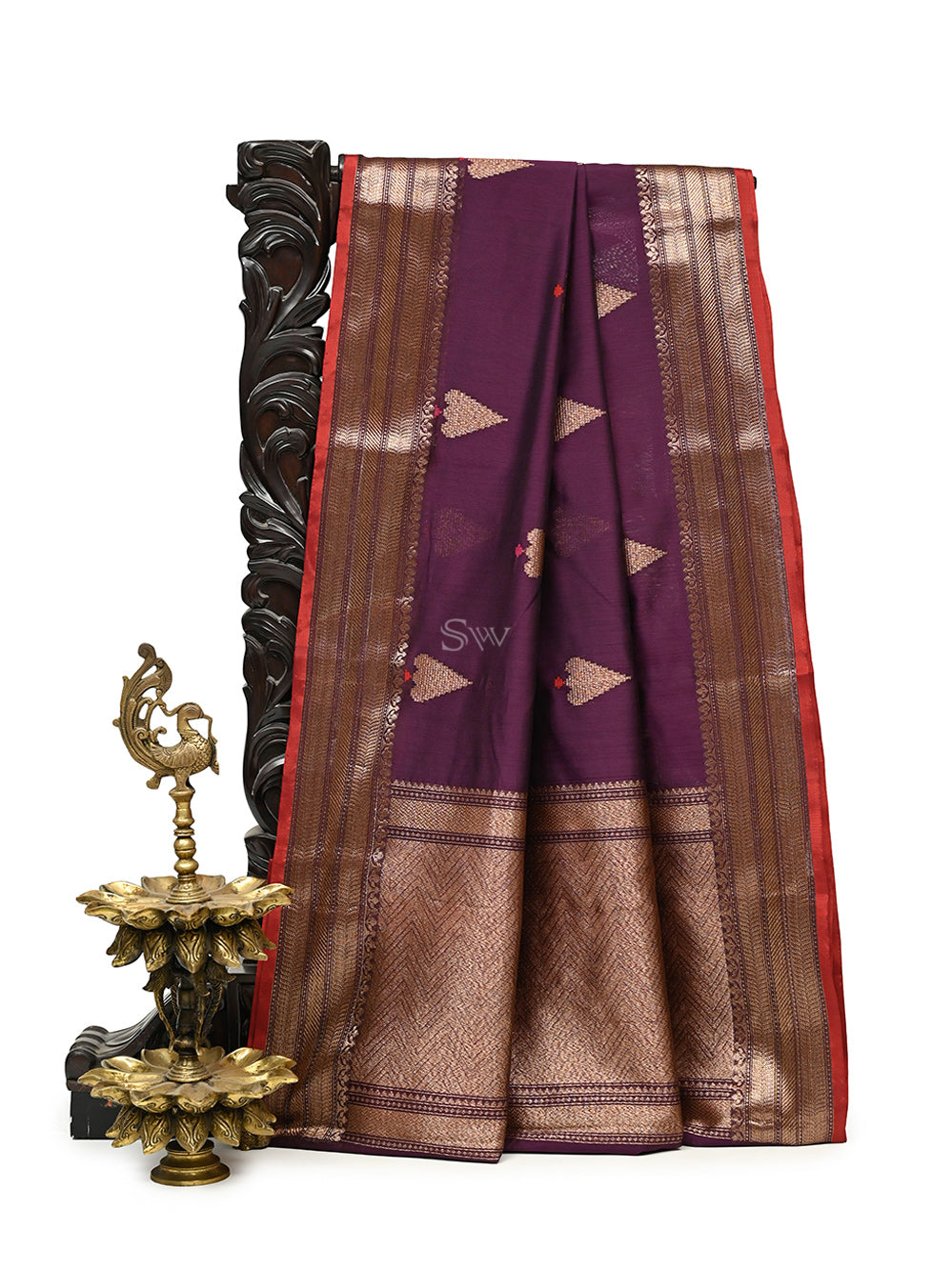
Handloom Saree from Banaras
When you choose a Sacred Weaves Banarasi saree, you're not just buying a garment. You're supporting a weaver's livelihood, a family's tradition and a craft that has survived empires, industrialization, and fast fashion.
That's not a marketing line. That's the truth behind every thread.
Explore our Silk Mark certified Banarasi collection, handwoven in Varanasi and wear a piece of living heritage.


